
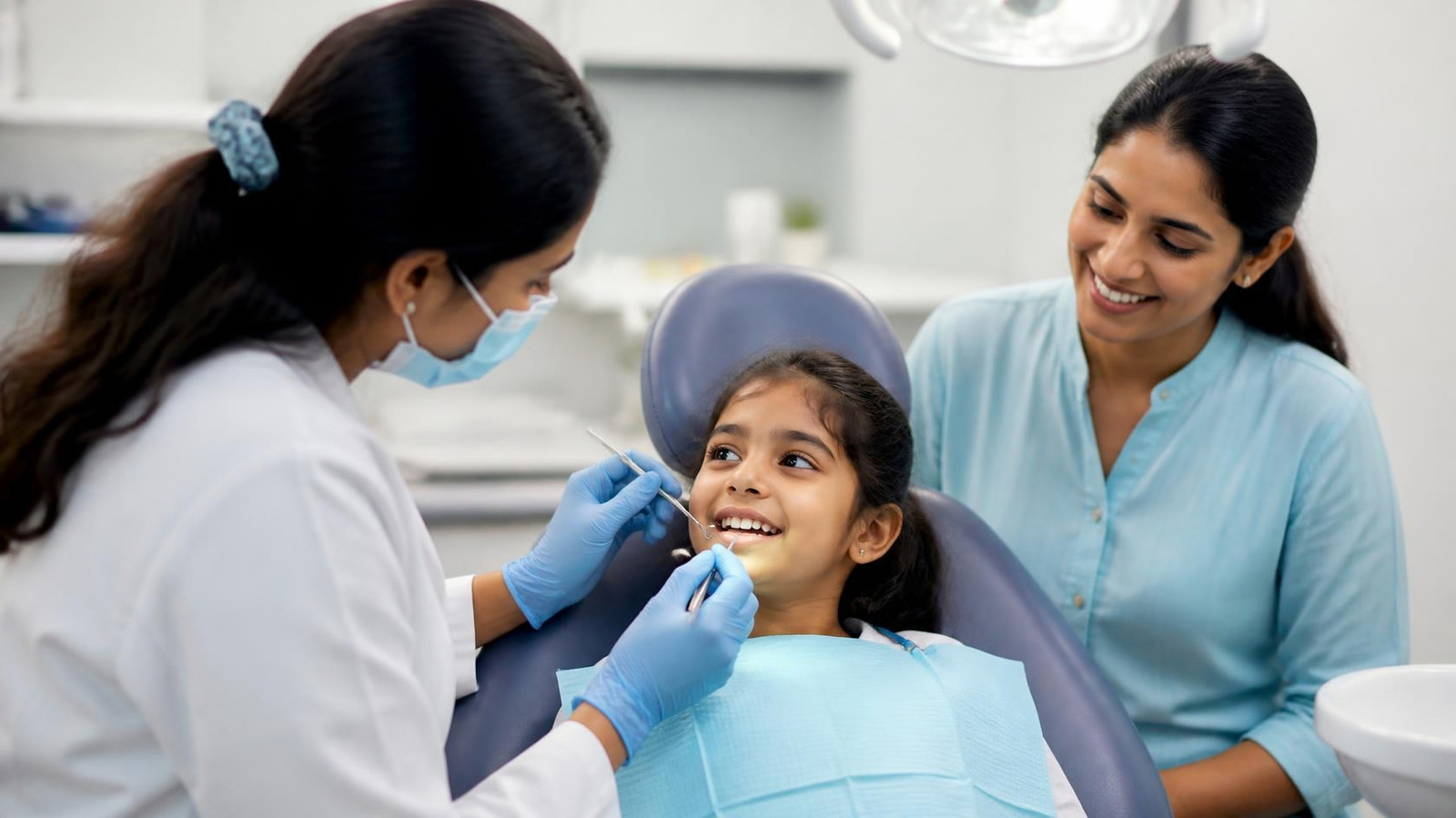
A child’s dental health begins long before they have a complete set of permanent teeth. From the first baby tooth to the teenage years, regular oral care can help parents identify problems early, establish healthy habits and support their child’s developing smile.
For parents looking for child dentistry in Bhubaneswar, understanding what children’s dental care involves can make it easier to know when a dental visit is appropriate and how to care for teeth at home.
Child dentistry focuses on prevention, early detection, education and age-appropriate dental care. Professional organizations recommend establishing a child’s dental home early, with the American Academy of Pediatric Dentistry recommending that this happen no later than 12 months of age.
What Is Child Dentistry?
Child dentistry is dental care designed around the oral health needs of infants, children and adolescents.
Children’s mouths change continuously as baby teeth erupt, develop and eventually make way for permanent teeth. Their dental care therefore involves more than treating cavities. A dental professional may assess tooth development, oral hygiene, gums, bite, habits and the child’s overall risk of dental disease.
Preventive care can include:
- Dental examinations
- Oral hygiene guidance
- Caries-risk assessment
- Fluoride-related preventive care when appropriate
- Professional cleaning when indicated
- Dietary guidance
- Monitoring tooth eruption and development
- Advice about oral habits
- Assessment of dental injuries
- Guidance about developing bite or alignment concerns
The exact care a child needs depends on age, oral health, dental history, habits and individual risk.
Why Are Baby Teeth Important?
A common question parents ask is: “If baby teeth eventually fall out, why do they need treatment?”
Baby teeth are important during childhood. They help children chew food and participate in normal speech development. They also occupy space while the permanent teeth develop.
Untreated dental disease can cause pain and infection and may interfere with everyday activities such as eating and learning.
For this reason, parents should not ignore a decayed, painful or injured baby tooth simply because it is temporary.
Early attention can also give parents an opportunity to understand how to reduce future dental problems.
When Should a Child First Visit a Dentist?
Parents do not necessarily need to wait until their child develops a dental problem.
The AAPD recommends establishing a dental home no later than 12 months of age, and its early-childhood-caries guidance recommends an early visit for risk assessment and parental education.
An early dental visit can help parents learn:
- How to clean an infant’s mouth
- When and how to brush emerging teeth
- Appropriate fluoride toothpaste use
- How food and drinks can affect teeth
- What habits may affect oral development
- What signs of dental disease to watch for
The goal is not simply to treat problems. It is to make prevention part of a child’s normal healthcare routine.
How Can Parents Build Good Oral Hygiene Habits?
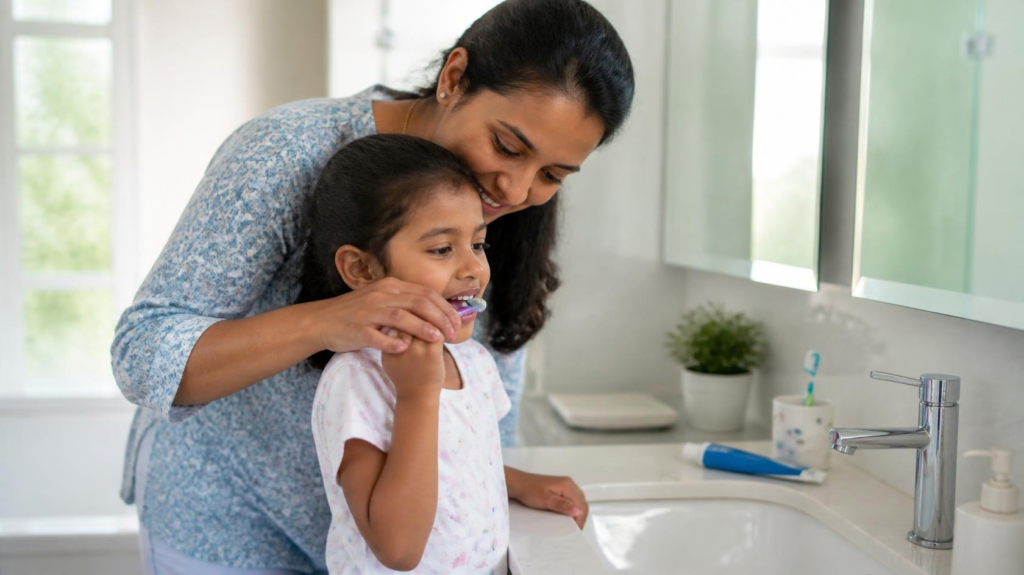
Good oral hygiene starts at home.
Brush twice a day
The ADA recommends brushing twice daily with fluoride toothpaste. For young children, parents or caregivers should help or supervise brushing.
Generally:
- Under 3 years: use no more than a smear of fluoride toothpaste, approximately the size of a grain of rice.
- Age 3–6 years: use no more than a pea-sized amount.
- Children should be supervised and encouraged to spit out excess toothpaste rather than swallow it.
Parents should follow their dentist’s advice if a child has specific dental or medical needs.
Use an age-appropriate toothbrush
A child-sized toothbrush with soft bristles can make brushing easier. The ADA recommends beginning brushing when the first tooth erupts.
Young children often cannot clean every tooth surface effectively on their own, so parental assistance or supervision remains important.
Clean between teeth when appropriate
As teeth begin to touch each other, cleaning between them may become necessary. A dentist can demonstrate an appropriate technique based on the child’s age and tooth arrangement.
What Role Does Fluoride Play in Children’s Dental Care?
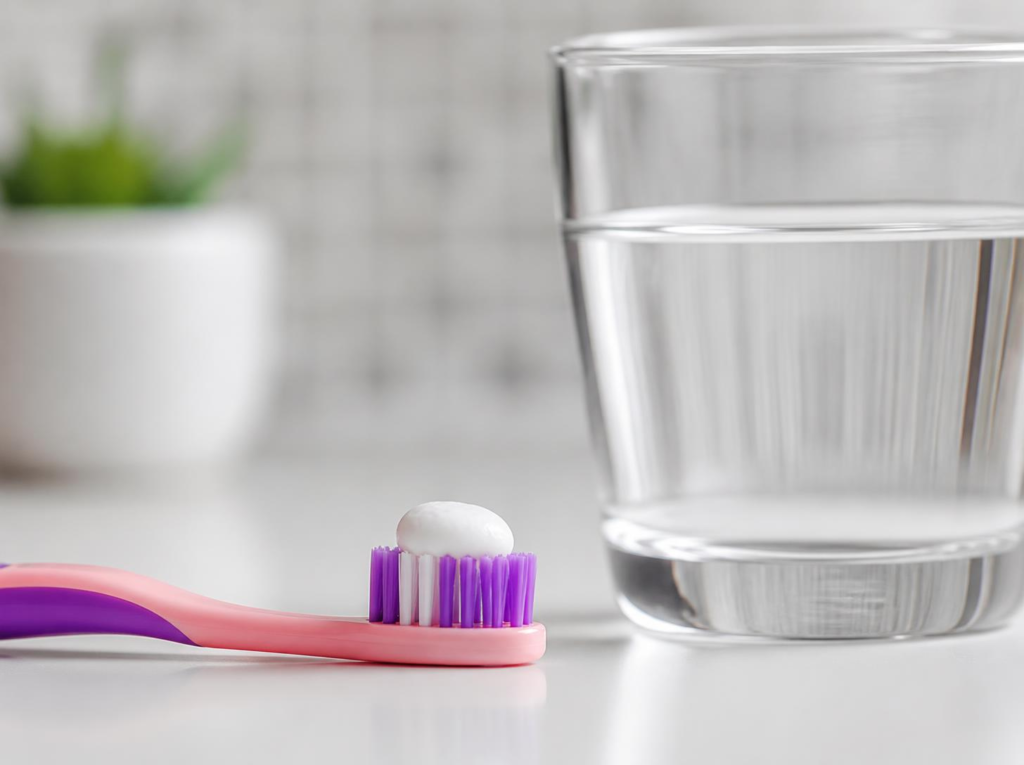
Fluoride is an important part of cavity prevention.
The AAPD recognizes twice-daily brushing with appropriate amounts of fluoride toothpaste as an effective way to reduce dental caries in children.
However, children differ in their dental risk and exposure to fluoride. Professional fluoride treatments or other fluoride recommendations should therefore be based on an individual assessment rather than parents choosing additional fluoride products without guidance.
For example, fluoride mouthrinses are not generally recommended for children under six unless specifically advised by a dental or health professional because young children may swallow them.
Common Dental Problems in Children
Cavities
Dental cavities are among the most common oral health problems affecting children. They develop when acids produced by bacteria contribute to the breakdown of tooth structure.
Frequent sugary foods and drinks, inadequate plaque removal and other individual risk factors can contribute to decay. The ADA recommends good oral hygiene and limiting the amount and frequency of sugary carbohydrate exposure as part of caries prevention.
Parents should pay attention to changes such as:
- White or brown spots on teeth
- Visible holes or damaged tooth surfaces
- Sensitivity
- Pain during eating
- Food getting trapped around a tooth
A dental examination is needed to determine the cause and appropriate treatment.
Toothache
A child’s toothache should not simply be treated as something that will disappear on its own.
Pain can have different causes, including decay, infection, trauma or other dental conditions. A dentist can assess the source of the pain and determine appropriate treatment.
If a child has significant facial swelling, difficulty breathing or swallowing, uncontrolled bleeding, or a serious facial or dental injury, urgent medical or dental attention may be necessary.
Gum problems
Children can also develop gum inflammation related to plaque accumulation or other factors.
Bleeding while brushing, persistent gum swelling, redness or discomfort should be discussed with a dental professional rather than ignored.
Teething
Teething can be uncomfortable for some babies. Parents can discuss safe ways of managing symptoms with their child’s healthcare or dental professional, particularly when symptoms appear severe, unusual or are accompanied by other concerning signs.
Thumb Sucking and Pacifier Habits
Thumb sucking and pacifier use can be normal behaviors during early childhood.
However, persistent oral habits can sometimes influence the developing teeth and jaws. The effect depends on factors such as duration, frequency, intensity and the child’s stage of development.
Instead of suddenly stopping a habit without understanding the child’s needs, parents can discuss persistent habits with a dentist. Early guidance can help determine whether observation, reassurance or intervention is appropriate.
How Can Parents Help Reduce Dental Anxiety?
A positive experience can make future dental visits easier.
Parents can help by:
- Speaking about dental visits calmly and positively.
- Avoiding frightening descriptions of dental treatment.
- Explaining that the dentist will look at the child’s teeth.
- Bringing familiar comfort items when appropriate.
- Choosing appointments when the child is rested.
- Allowing the dental team to communicate with the child in an age-appropriate way.
Regular preventive visits may also help children become familiar with the dental environment before they develop a painful problem.
Food Habits That Support Children’s Oral Health
Dental health is influenced by more than brushing.
Parents should pay attention to the frequency of sugary snacks and drinks. The ADA recommends reducing the amount and frequency of carbohydrate exposure and limiting sugary snacks between meals as part of caries-risk management.
Helpful habits can include:
- Offering water regularly.
- Choosing balanced meals and snacks.
- Limiting frequent sugary snacks.
- Avoiding prolonged exposure to sweet drinks.
- Maintaining consistent brushing routines.
The goal is not to make children afraid of particular foods. Instead, families can build sustainable eating and oral-care habits.
What Happens During a Child’s Dental Checkup?
A child’s dental appointment is individualized according to age and oral health needs.
A dental professional may assess:
- Teeth and gums
- Plaque and oral hygiene
- Existing cavities or other dental problems
- Tooth eruption and development
- Bite and alignment
- Oral habits
- Dental or facial injuries
- Individual caries risk
Preventive appointments can also provide an opportunity for parents to ask questions about brushing, fluoride, diet and developing teeth.
The frequency of future visits depends on the child’s individual needs and dental risk. AAPD guidance emphasizes individualized preventive care rather than treating every child according to exactly the same schedule.

When Should Parents Consult a Dentist?
Parents should consider professional dental advice if a child develops:
- Persistent toothache
- Tooth sensitivity or discomfort
- Visible cavities or damaged teeth
- Swollen or bleeding gums
- Facial or oral swelling
- A broken or injured tooth
- A dental injury after a fall or accident
- Problems affecting eating or normal daily activities
- Persistent thumb sucking or other oral habits
- Concerns about tooth eruption or alignment
- Significant anxiety about dental care
Dental injuries may require prompt assessment, particularly when there is significant bleeding, swelling, severe pain or injury to surrounding facial structures.
Child Dentistry in Bhubaneswar
Parents searching for child dentistry in Bhubaneswar should look for dental care that combines prevention, age-appropriate communication, careful examination and individualized treatment planning.
At Pathak Dental Clinic, Child Dentistry is one of the services included in the clinic’s dental service offering.
Parents can discuss their child’s specific oral health concerns with a qualified dental professional and receive guidance based on the child’s age, dental development and individual needs.
The purpose of children’s dental care is not simply to treat a tooth when something goes wrong. It is to help families establish healthy routines, identify problems early and support oral health throughout childhood.
Frequently Asked Questions About Child Dentistry
1. When should my child first visit a dentist?
The AAPD recommends establishing a dental home no later than 12 months of age. An early visit allows the dental professional to assess oral health and provide age-appropriate guidance.
2. Should baby teeth be treated if they will eventually fall out?
Yes. Baby teeth play important roles during childhood, and untreated dental disease can cause pain and infection. A dentist can determine whether a baby tooth requires monitoring or treatment.
3. How often should my child visit the dentist?
The appropriate interval depends on the child’s individual oral health and risk factors. Your dentist can recommend a suitable recall schedule.
4. Should children use fluoride toothpaste?
Fluoride toothpaste is recommended for children’s tooth brushing in age-appropriate amounts. For children under three, the ADA recommends a smear or rice-sized amount; from ages three to six, no more than a pea-sized amount.
5. What should I do if my child has a toothache?
Arrange a dental assessment to identify the cause. Seek urgent care when pain is accompanied by significant swelling, difficulty breathing or swallowing, uncontrolled bleeding or serious injury.
6. Is thumb sucking always harmful?
Not necessarily. Many children have oral habits during early development. Persistent habits may affect developing teeth or jaws, so parents can discuss them with a dentist.
7. How can I prevent cavities in my child?
Encourage twice-daily brushing with fluoride toothpaste, supervise young children’s brushing, maintain healthy eating habits and arrange regular professional dental assessments.
8. Can dental visits help children who are afraid of dentists?
Yes. A calm, age-appropriate approach and regular preventive visits can help a child become familiar with dental care. Parents should tell the dental team about significant anxiety so the visit can be planned appropriately.
9. When should my child have an orthodontic evaluation?
A dental professional can monitor tooth eruption, bite and jaw development and recommend an orthodontic assessment when appropriate for the individual child.
Helping Your Child Build a Healthy Smile
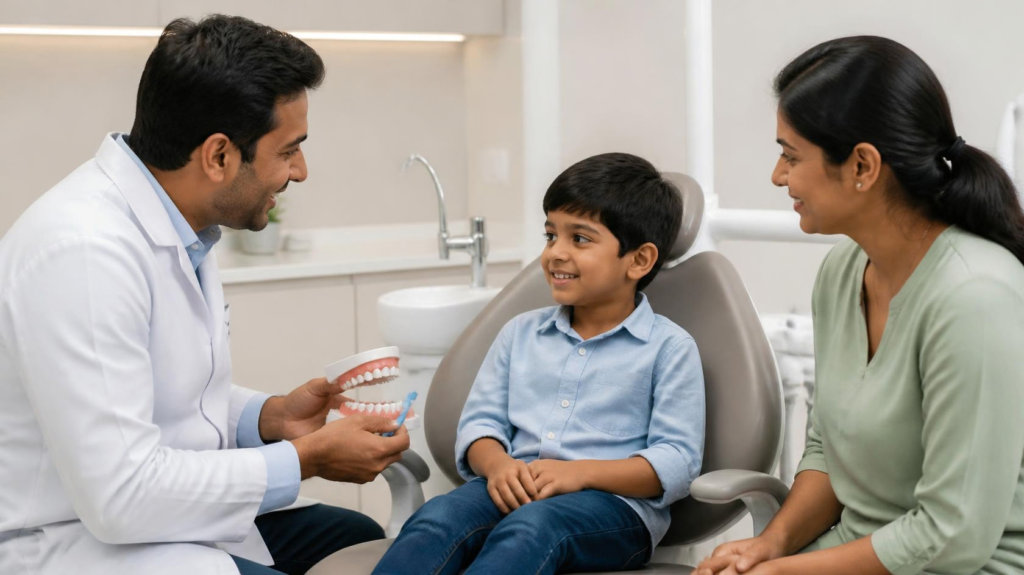
Good children’s dental care begins with simple, consistent habits: appropriate brushing, healthy food choices, professional preventive care and attention to problems when they appear.
If you are looking for child dental care in Bhubaneswar, a dental consultation can help you understand your child’s current oral health and what preventive steps may be appropriate.
Pathak Dental Clinic can be considered as a local option for parents seeking professional dental assessment and Child Dentistry services. Parents should discuss their child’s individual needs with a qualified dental professional rather than relying on general online information for diagnosis or treatment decisions.
Concerned About Your Child’s Dental Health?
Healthy dental habits begin early. If your child has tooth pain, visible tooth damage, gum problems, a dental injury, or you simply want guidance about their developing teeth, consider arranging a professional dental consultation.
Pathak Dental Clinic provides Child Dentistry services for families seeking professional dental care in Bhubaneswar.
Visit drharshpathak.com to learn more about the clinic and available dental services.
American Academy of Pediatric Dentistry — AAPD
American Dental Association — ADA