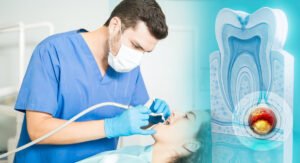
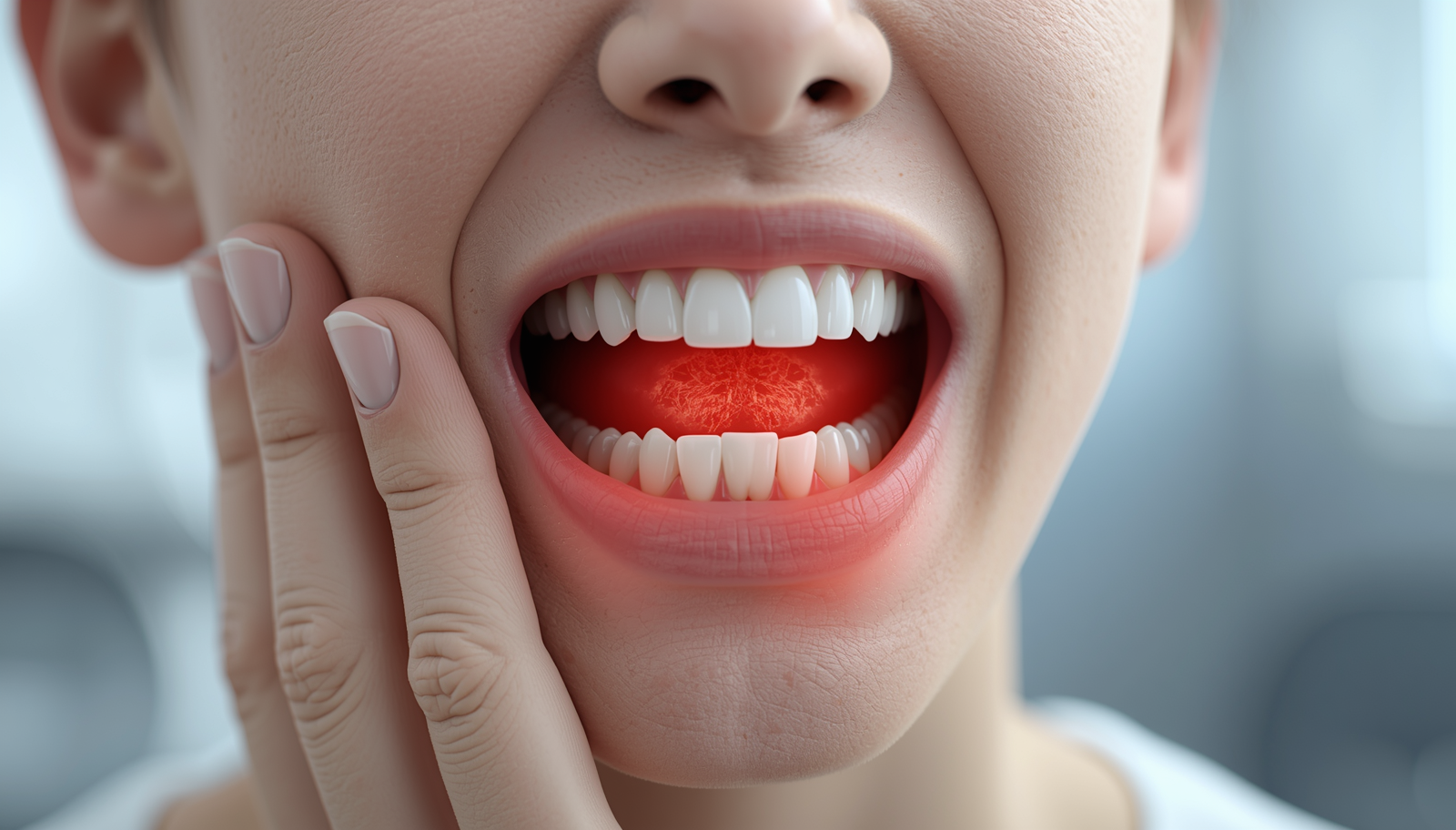
Many people ignore tooth pain until it becomes unbearable. Unfortunately, delaying dental care can lead to severe infections, tooth loss, and expensive treatments. One of the most common procedures used to save infected teeth is root canal treatment.
Understanding the early warning signs can help you seek treatment before the condition worsens. Root canal treatment is designed to remove infected pulp, stop pain, and preserve the natural tooth.
In this article, we will discuss the top signs you need root canal treatment immediately.
1. Persistent Tooth Pain
Constant tooth pain is one of the most common symptoms of pulp infection. The pain may be dull, sharp, or throbbing.
Pain that worsens while eating or chewing should never be ignored.
2. Sensitivity to Hot and Cold
If your tooth remains sensitive for a long time after consuming hot tea or cold drinks, the tooth pulp may be damaged.
Long-lasting sensitivity often indicates nerve infection.
3. Swollen Gums
Swelling around a painful tooth may indicate bacterial infection. The gums may feel tender or appear red.
In some cases, pus formation may occur.
4. Tooth Discoloration
An infected tooth may become gray, dark yellow, or black due to nerve damage.
This is a common sign that the pulp tissue inside the tooth is dying.
5. Pain While Chewing
Pain during chewing suggests inflammation around the tooth roots.
This often occurs when infection spreads deeper into surrounding tissues.
6. Gum Abscess
A small pimple-like bump on the gums may indicate a dental abscess.
Abscesses contain pus and bacteria and require immediate dental care.
7. Cracked or Broken Tooth
Cracks allow bacteria to enter the pulp chamber and cause infection.
Even small cracks should be examined by a dentist.
8. Deep Cavities
Untreated cavities eventually reach the pulp and cause severe infection.
Regular dental checkups help detect cavities early.
9. Facial Swelling
Advanced tooth infection may spread to surrounding tissues, causing facial swelling.
This can become a serious medical emergency if left untreated.
10. Persistent Bad Breath
Bad breath caused by infection may not improve with brushing or mouthwash.
The bacterial infection inside the tooth can produce unpleasant odor.
Why Early Root Canal Treatment Matters
Early treatment prevents infection from spreading and saves your natural tooth.
Ignoring symptoms may lead to:
- Tooth extraction
- Bone damage
- Severe infection
- Increased treatment cost
- Difficulty eating
How Dentists Diagnose Root Canal Problems
Dentists use several methods to diagnose infected teeth.
Common diagnostic tools include:
- Dental X-rays
- Sensitivity tests
- Visual examination
- Percussion testing
- Digital imaging
Root Canal Treatment Procedure Overview
The dentist removes infected pulp, cleans the canals, disinfects the tooth, and seals it properly.
Most treatments are completed comfortably using local anesthesia.
Recovery After Root Canal Treatment
Recovery is usually simple and fast.
Recovery Tips:
- Avoid chewing on treated side
- Maintain oral hygiene
- Take medications properly
- Visit dentist for crown placement
Preventing Tooth Infections
Brush and Floss Daily
Good oral hygiene reduces bacteria.
Reduce Sugar Intake
Sugary foods increase cavity risk.
Avoid Smoking
Smoking increases gum disease risk.
Get Regular Dental Checkups
Professional cleaning helps prevent infections.
Conclusion
Recognizing the signs of tooth infection early can help save your tooth and prevent serious complications. Persistent pain, swelling, sensitivity, or discoloration should never be ignored.
If you experience any of these symptoms, consult a dental specialist immediately for proper diagnosis and root canal treatment.