
Tooth pain can make eating, speaking, and even sleeping difficult. In many cases, severe tooth pain is caused by an infection deep inside the tooth. When the inner pulp becomes infected, a root canal treatment is often the best solution to save the natural tooth and remove pain permanently.
Root canal treatment is one of the most effective dental procedures used to treat infected or damaged teeth. Modern dental technology has made the procedure comfortable, safe, and highly successful. Many patients fear root canal treatment because of myths and misconceptions, but the truth is that it actually relieves pain rather than causing it.
In this detailed guide, you will learn everything about root canal treatment, including symptoms, procedure, benefits, recovery, cost factors, and aftercare.
What is Root Canal Treatment?
Root canal treatment is a dental procedure used to remove infected or damaged pulp from inside the tooth. The pulp contains nerves, blood vessels, and connective tissue. When bacteria reach the pulp due to deep cavities, cracks, trauma, or gum disease, infection develops.
During the root canal procedure, the dentist removes the infected pulp, cleans the canals, disinfects the area, and seals the tooth with filling material. In many cases, a dental crown is placed afterward to restore strength and appearance.
The main goal of root canal treatment is to save the natural tooth instead of removing it.
Signs You May Need Root Canal Treatment
Many people ignore early symptoms of tooth infection until the pain becomes severe. Recognizing symptoms early can help prevent complications.
Common symptoms include:
- Severe tooth pain while chewing
- Sensitivity to hot and cold foods
- Swollen gums around the tooth
- Tooth discoloration
- Persistent bad breath
- Pimple-like swelling on gums
- Pain that radiates to jaw or ear
- Loose tooth due to infection
If you notice these symptoms, visit a root canal specialist immediately.
Causes of Tooth Infection
Several dental problems can lead to pulp infection and require root canal treatment.
Major causes include:
Deep Tooth Decay
Untreated cavities allow bacteria to enter the tooth pulp.
Cracked Tooth
A crack may expose nerves and cause bacterial infection.
Repeated Dental Procedures
Multiple treatments on the same tooth can weaken it.
Dental Trauma
Accidents or injuries can damage the tooth internally.
Gum Infection
Advanced gum disease may affect surrounding tooth structures.
Step-by-Step Root Canal Procedure
Understanding the procedure helps reduce fear and anxiety.
Step 1: Dental Examination
The dentist examines the tooth using X-rays to identify infection and root canal damage.
Step 2: Local Anesthesia
Local anesthesia numbs the area completely, making the procedure painless.
Step 3: Opening the Tooth
A small opening is created on the tooth surface to access the infected pulp.
Step 4: Cleaning the Root Canal
The infected tissue is removed carefully using specialized dental tools.
Step 5: Disinfection
The canals are disinfected to eliminate bacteria.
Step 6: Filling the Canals
The cleaned canals are sealed using biocompatible material.
Step 7: Dental Crown Placement
A crown is usually recommended to restore tooth strength and function.
Is Root Canal Treatment Painful?
One of the biggest myths is that root canal treatment is painful. Modern anesthesia and advanced technology have made the procedure almost painless.
Most patients report that root canal treatment feels similar to getting a dental filling. The treatment actually removes pain caused by infection.
Benefits of Root Canal Treatment
Saves Natural Tooth
The biggest advantage is preserving your original tooth.
Prevents Tooth Extraction
Removing the tooth may require implants or bridges later.
Relieves Pain
The infected nerve causing pain is removed.
Improves Oral Health
Treatment stops infection from spreading.
Restores Chewing Ability
You can eat normally after recovery.
Maintains Natural Smile
The appearance of the tooth remains natural.
Root Canal Recovery Tips
Recovery after root canal treatment is usually smooth.
Important aftercare tips:
- Avoid chewing hard foods initially
- Maintain proper oral hygiene
- Take prescribed medications
- Avoid smoking and alcohol
- Attend follow-up appointments
- Brush gently around treated tooth
Mild discomfort for a few days is normal.
How Long Does a Root Canal Last?
With proper care, a treated tooth can last for many years or even a lifetime. Good oral hygiene and regular dental checkups are essential.
What Happens if You Avoid Root Canal Treatment?
Ignoring tooth infection can lead to serious complications.
Risks include:
- Severe pain
- Tooth loss
- Jawbone infection
- Facial swelling
- Spread of infection
- Gum abscess
Early treatment prevents these complications.
Root Canal Treatment Cost Factors
The cost of root canal treatment varies depending on:
- Tooth location
- Severity of infection
- Need for crown
- Dentist experience
- Technology used
Molars generally cost more because they have multiple canals.
Tips to Prevent Root Canal Problems
Maintain Good Oral Hygiene
Brush twice daily and floss regularly.
Avoid Sugary Foods
Sugar promotes cavity formation.
Visit Dentist Regularly
Routine checkups detect issues early.
Wear Mouth Guard
Protect teeth during sports activities.
Treat Cavities Early
Small cavities are easier to manage.
Frequently Asked Questions About Root Canal Treatment
How many visits are required?
Most root canal treatments require one or two visits.
Can I eat after treatment?
Yes, but avoid hard foods until permanent restoration.
Is crown necessary after root canal?
In many cases, yes. Crowns protect the tooth from fracture.
Can root canal fail?
Failure is rare but retreatment may be required in some cases.
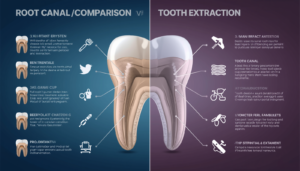
Is extraction better than root canal?
Saving the natural tooth is usually the best option.
Conclusion
Root canal treatment is a safe and effective procedure that helps save infected teeth while eliminating pain and discomfort. Modern dentistry has transformed root canal procedures into comfortable and highly successful treatments.
If you experience severe tooth pain, swelling, or sensitivity, consult a root canal specialist immediately. Early treatment not only saves your tooth but also protects your overall oral health.